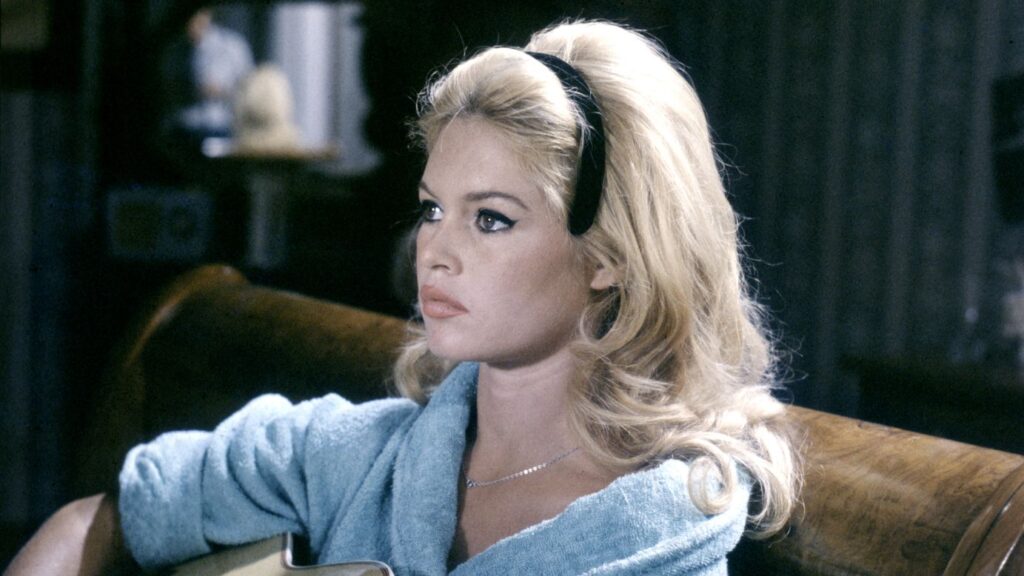
Long before words like “French Girl Chic” became algorithmically entrenched in online shopping guides and mood boards, the late French film starlet Brigitte Bardot created the blueprint for what was once a fresh and exciting style of dressing. Her tousled blonde bouffant, bikinis and capri pants signaled a more casual, laissez-faire attitude to dressing — eschewing formal, buttoned up silhouettes for an effortlessly ‘thrown together’ look that became synonymous with the swinging sixties and sexual liberation.
The fashion world soon wrapped its arms around Bardot’s style —fueled by the booming post-war movie industry, which made her a global star — and quickly turned her singular look into an oversaturated trend that we continue to see referenced and replicated many decades later.
The French Girl look has been coveted by women all over the world. Catlike eye-liner, off-the-shoulder necklines (often referred to as the “Bardot neckline”), babydoll dresses and messy beehives have been seen on the likes of Sienna Miller, Alexa Chung, Cara Delevingne and Kate Moss throughout their own successful careers.
Bardot’s overarching legacy may not be as easy to define as her personal style. While she was a celebrated cultural icon who has left an indelible mark on fashion history, she was also perhaps an early prototype for the Trump-era pin-up.
Her politics leaned heavily towards the right. In 1992, she married Bernard d’Ormale, a former advisor to Jean-Marie Le Pen — founder of France’s far-right National Front party. She was convicted five times for inciting racial hatred, oftentimes directed at the Muslim community, and was publicly dismissive of the #MeToo movement and feminism, preferring to focus her philanthropic efforts on the rights of animals over women.
Continue reading the complete article on the original source