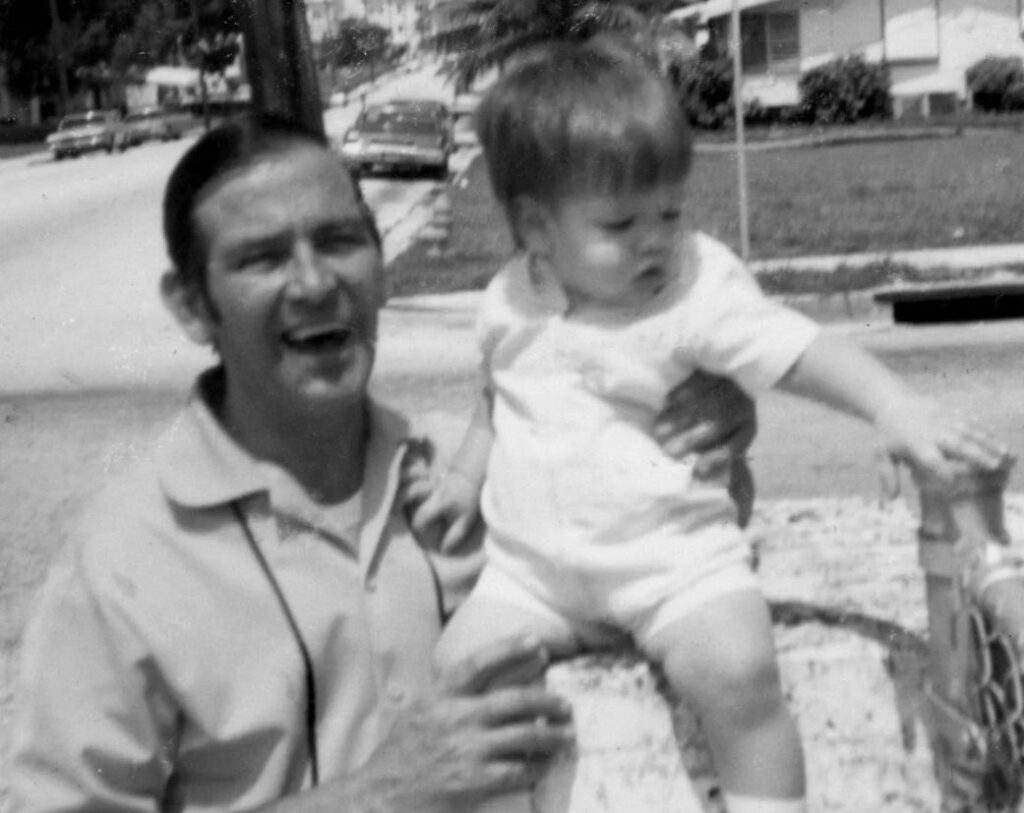
As a child, Marco Rubio sat at his grandfather’s feet cigar-smoke curling on the front porch as stories spilled out — tales of Cuban heroes like José Martí and the guerilla soldiers who fought Spanish rule, and of life under the communist regime his family left behind. Even then, Rubio imagined himself as part of Cuba’s unfinished struggle.
“I boasted I would someday lead an army of exiles to overthrow Fidel Castro and become president of a free Cuba,” Rubio recalled in his 2012 memoir, “An American Son.”
A half-century later, that childhood bravado appears strikingly prophetic. Rubio, now President Donald Trump’s secretary of state and national security adviser, played a central role in shaping the US military’s stunning capture of a different Latin American leader, Venezuelan President Nicolás Maduro, a longtime close ally of Cuba. In the aftermath, Trump asserted Rubio would help “run” Venezuela through the resulting upheaval.
The outcome did not unfold exactly as Rubio, 54, imagined it as a boy, but it bore the imprint of the politics that defined his upbringing. The son of Cuban immigrants, Rubio came of age in Miami immersed in the city’s exile community, rising politically within a culture where memories of the island and a deep fear of socialism remained powerful forces.
Now, as Rubio emerges as the public face of a brazen new era of American foreign policy — one that has rattled allies, undercut Congress’ war powers and thrust the Western Hemisphere into uncertainty — longtime friends and allies say they see the product of those formative forces.
Continue reading the complete article on the original source