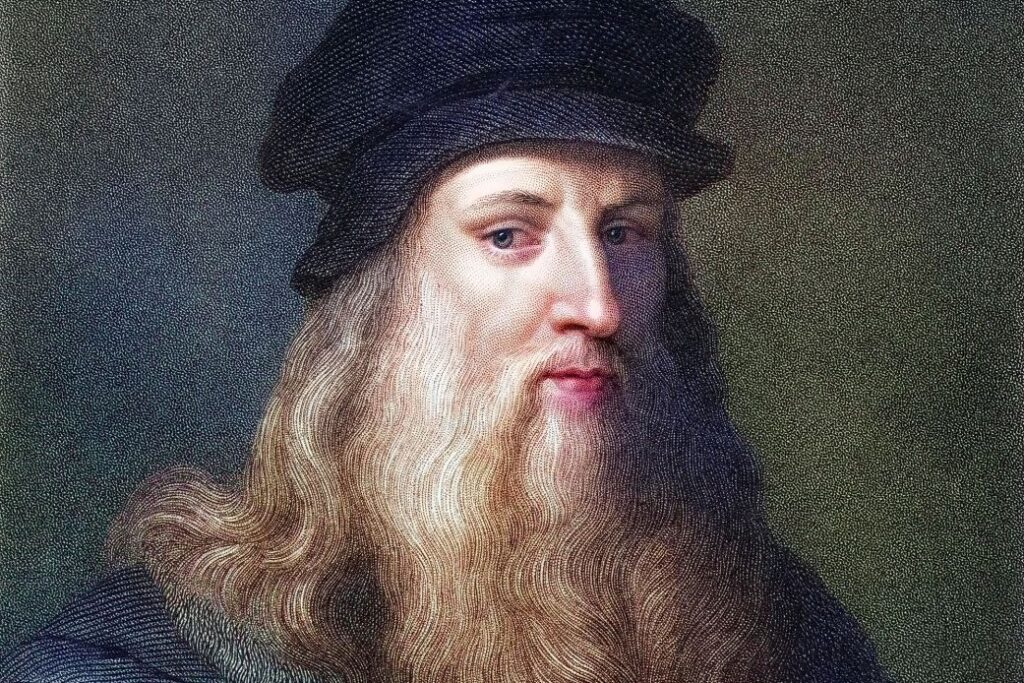
Artist, inventor and anatomist Leonardo da Vinci was the definition of a Renaissance man — and scientists are aiming to unlock the secrets of his genius on a genetic level.
But there’s just one wrinkle: More than 500 years after his death in 1519, Leonardo’s DNA has proved virtually impossible to locate.
He never had children, and his grave site in the Chapel of St. Florentin in Amboise, France, was destroyed during the French Revolution in the late 1700s. There are bones rumored to have been recovered from the wreckage and reburied, but their identity and authenticity have been disputed.
In the absence of verified remains, scientists participating in the Leonardo da Vinci Project have taken an inventive approach: sampling artifacts associated with the Italian polymath for DNA.
Leonardo left behind a wealth of paintings, drawings and letters — things he would have touched that may still contain traces of genetic material today.
Continue reading the complete article on the original source