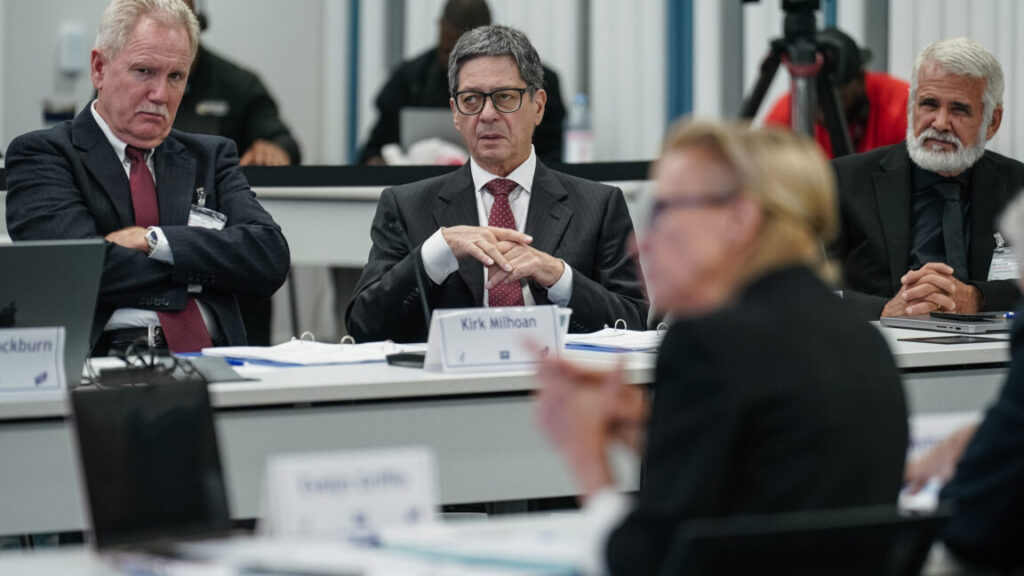
The chair of a federal vaccine advisory panel under anti-vaccine Health Secretary Robert F. Kennedy Jr. made his stance clear on vaccines in a podcast last week—and that stance was so alarming that the American Medical Association was compelled to respond with a scathing statement. Kirk Milhoan, who was named chair of the Advisory Committee on Immunization Practices for the Centers for Disease Control and Prevention in December, appeared on the aptly named podcast “Why Should I Trust You.” In the hour-long interview, Milhoan made a wide range of comments that have concerned medical experts and raised eyebrows. Early into the discussion, Milhoan, a pediatric cardiologist, declared, “I don’t like established science,” and that “science is what I observe.” He lambasted the evidence-based methodology that previous ACIP panels used to carefully and transparently craft vaccine policy. While arguing that he was not anti-vaccine, he said he was merely focused on safety and made false claims about vaccine risks, a common trope among anti-vaccine activists. He falsely linked vaccines to allergies, asthma, and eczema and repeated a claim, without evidence, that COVID-19 vaccines killed children. When pressed by the podcast hosts, he revealed that he put the risk of vaccine side effects on the same footing as the risks from the diseases the shots prevent—despite the fact that disease risks are often orders of magnitude larger than the tiny risks from vaccines. In response to pushback from the hosts, Milhoan objected to the idea that the measles and polio vaccines reduced the spread of those diseases. He went further, questioning the need for those vaccines as well as routine vaccinations, generally. “I think also as you look at polio, we need to not be afraid to consider that we are in a different time now than we were then,” he said, referring to the time before the first polio vaccines were developed in the 1950s. “Our sanitation is different. Our risk of disease is different. And so those all play into the evaluation of whether this is worthwhile of taking a risk for a vaccine or not.”
Continue reading the complete article on the original source