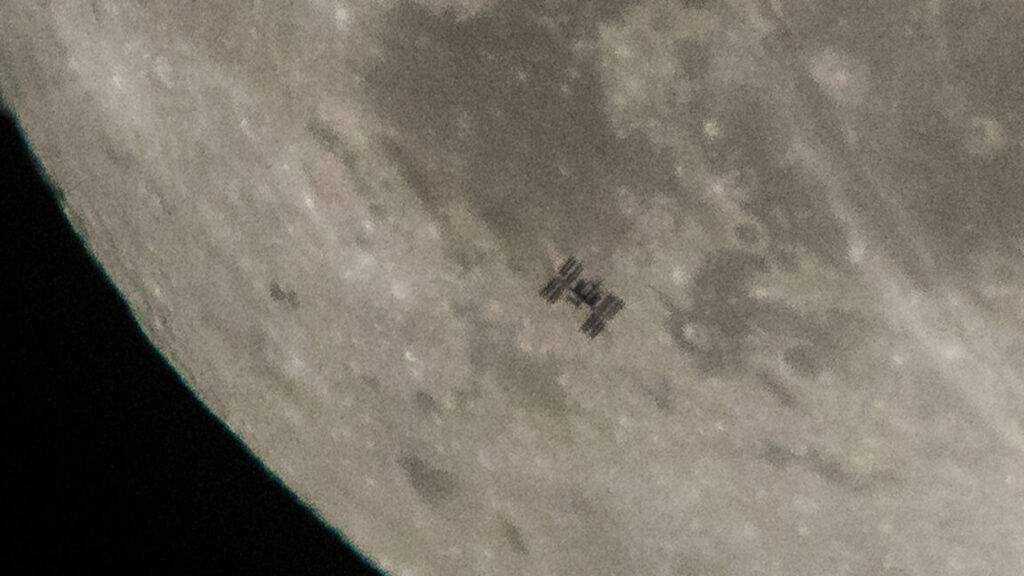
Members of the House Science, Space, and Technology Committee voted to approve a NASA authorization bill this week, advancing legislation chock full of policy guidelines meant to give lawmakers a voice in the space agency’s strategic direction. The committee met to “mark up” the NASA Reauthorization Act of 2026, adding more than 40 amendments to the bill before a unanimous vote to refer the legislation to the full House of Representatives. Wednesday’s committee vote was just one of several steps needed for the bill to become law. It must pass a vote on the House floor, win approval from the Senate, and then go to the White House for President Donald Trump’s signature. Ars has reported on one of the amendments, which would authorize NASA to take steps toward a “commercial” deep space program using privately owned rockets and spacecraft rather than vehicles owned by the government. Another add-on to the authorization bill would require NASA to reassess whether to guide the International Space Station (ISS) toward a destructive atmospheric reentry after it is decommissioned in 2030. The space agency’s current plan is to deorbit the space station in 2031 over the Pacific Ocean, where debris that survives the scorching reentry will fall into a remote, unpopulated part of the sea. No policy change—yet The most recent NASA authorization act, passed in 2022, extended the US government’s support for the ISS program until 2030. The amendment tacked onto this year’s bill would not change the timeline for ending operations on the ISS, but it asks NASA to reconsider its decision about what to do with the complex after retirement. The amendment would direct NASA to “carry out an engineering analysis to evaluate the technical, operational, and logistical viability of transferring the ISS to a safe orbital harbor and storing the ISS in such harbor after the end of the operational low-Earth orbit lifetime of the ISS to preserve the ISS for potential reuse and satisfy the objectives of NASA.”
Continue reading the complete article on the original source