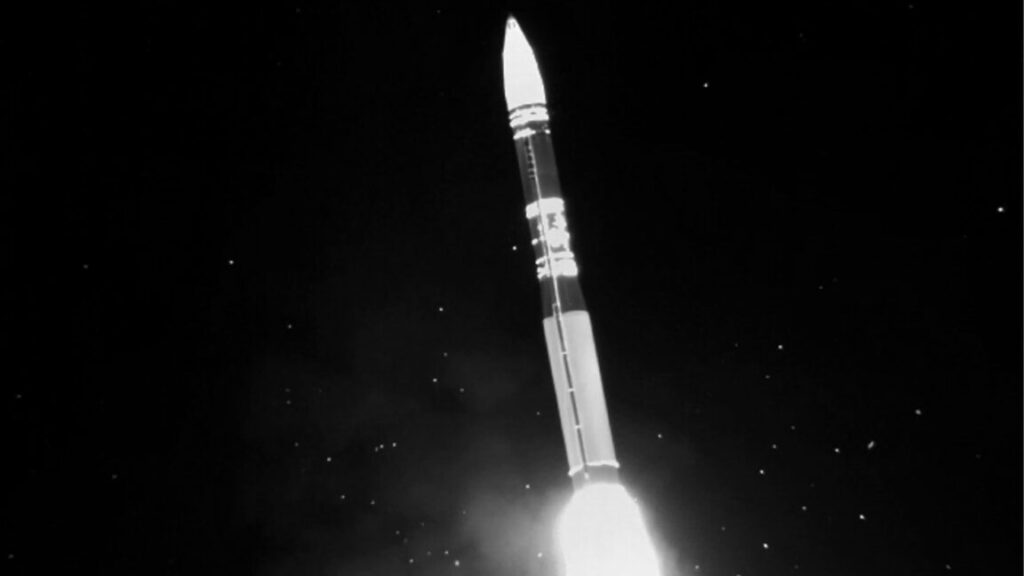
DENVER—The US Air Force’s new Sentinel intercontinental ballistic missile is on track for its first test flight next year, military officials reaffirmed this week. But no one is ready to say when hundreds of new missile silos, dug from the windswept Great Plains, will be finished, how much they cost, or, for that matter, how many nuclear warheads each Sentinel missile could actually carry. The LGM-35A Sentinel will replace the Air Force’s Minuteman III fleet, in service since 1970, with the first of the new missiles due to become operational in the early 2030s. But it will take longer than that to build and activate the full complement of Sentinel missiles and the 450 hardened underground silos to house them. Amid the massive undertaking of developing a new ICBM, defense officials are keeping their options open for the missile’s payload unit. Until February 5, the Air Force was barred from fitting ballistic missiles with Multiple Independently targetable Reentry Vehicles (MIRVs) under the constraints of the New START nuclear arms control treaty cinched by the US and Russia in 2010. The treaty expired three weeks ago, opening up the possibility of packaging each Sentinel missile with multiple warheads, not just one. Senior US military officials briefed reporters on the Sentinel program this week at the Air and Space Forces Association’s annual Warfare Symposium near Denver. There was a lot to unpack. This cutaway graphic shows the major elements of the Sentinel missile. Credit: Northrop Grumman Into the breach Two years ago, the Air Force announced the Sentinel program’s budget had grown from $77.7 billion to nearly $141 billion. This was after something known as a “Nunn-McCurdy breach,” referring to the names of two lawmakers behind legislation mandating reviews for woefully overbudget defense programs. In 2024, the Pentagon determined that the Sentinel program was too essential to national security to cancel.
Continue reading the complete article on the original source