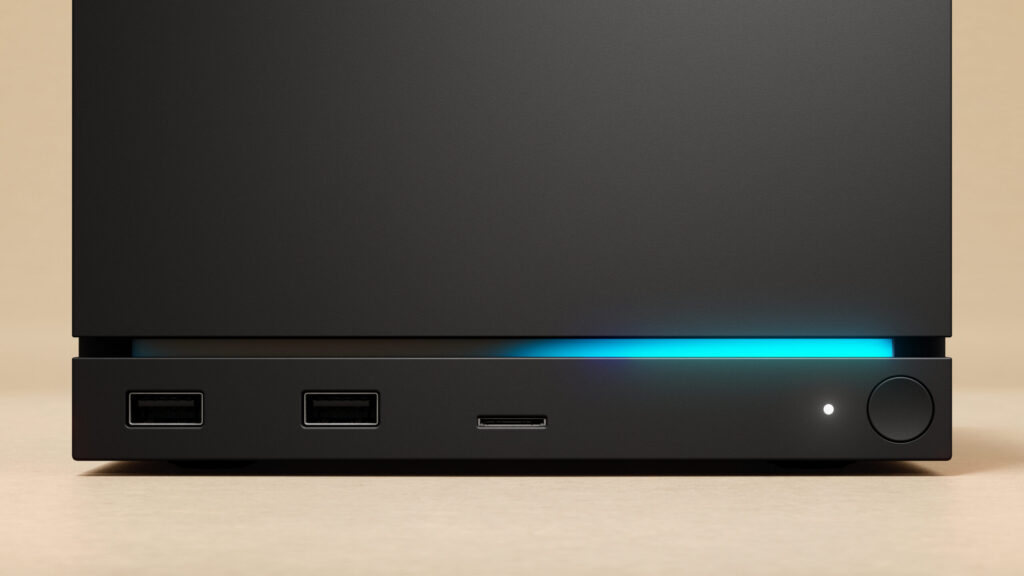
Valve’s Steam Machine desktop is currently in a state of involuntary limbo, driven by historically awful pricing and availability for memory and storage chips. AI data centers are absorbing much of what memory manufacturers can produce, leaving much less for enthusiast and hobbyist hardware like the Steam Machine and the Steam Frame VR headset. Even the years-old Steam Deck is currently out of stock thanks to component shortages. But that hardware uncertainty hasn’t stopped Valve from working on the software, and the company released a major update this week. The SteamOS 3.8.0 preview release comes with a long list of changes for the Steam Deck as well as third-party gaming handhelds and other PC hardware, and it also adds “initial support for upcoming Steam Machine hardware.” Many of the update’s improvements come from various upstream Linux components. Valve says the update includes a new Arch Linux base, an updated graphics driver, version 6.16 of the Linux kernel, and a new version of the KDE Plasma desktop environment for Desktop Mode (which now uses Wayland rather than X11). These and other updates give SteamOS 3.8 “improved compatibility with recent Intel and AMD platforms” and improve the operating system’s compatibility with third-party controller accessories, newer AMD chips like the Ryzen Z2 Extreme, and third-party gaming handhelds like the Asus ROG Xbox Ally, various versions of the Lenovo Legion Go, and the MSI Claw (notably, one of the rare Intel-powered gaming handhelds; the Deck and most others mostly use AMD processors).
Continue reading the complete article on the original source