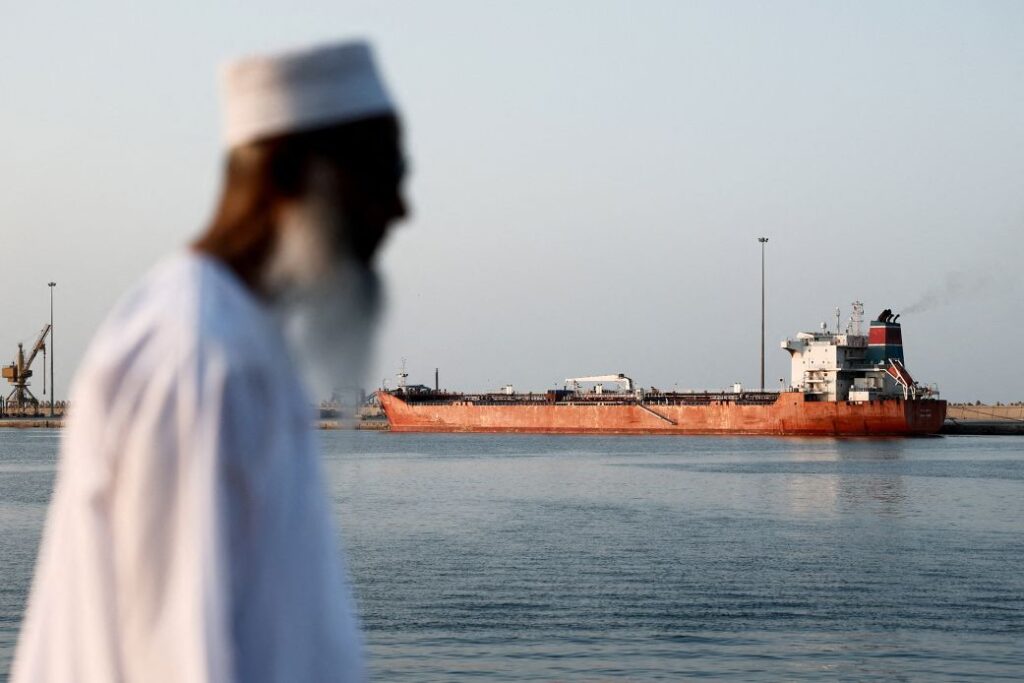
Oil and liquefied natural gas tankers moving through the Strait of Hormuz carry around 20% of the world’s supply. But for countries on the Persian Gulf, the waterway is more than just an energy route – it’s a lifeline for more than 100 million people.
Now, as the United States and Israel’s war with Iran chokes this vital stretch of water, it’s also straining food supply into the region.
Thriving in this harsh climate takes effort. With summer temperatures topping 50 degrees Celsius (122 Fahrenheit) and little cultivatable land, much of the Gulf Arab states’ drinking water comes from the sea via desalination plants. Most of their food, however, must come from abroad.
Saudi Arabia imports more than 80% of its food, the United Arab Emirates around 90%, and Qatar about 98%. In Iraq, too, the bulk of food imports pass through the Strait of Hormuz, despite the country’s access to two major rivers.
In total, the majority of the food shipments to the region pass through the strait, a passage that is now all but blocked due to attacks on commercial ships in the area.
Continue reading the complete article on the original source