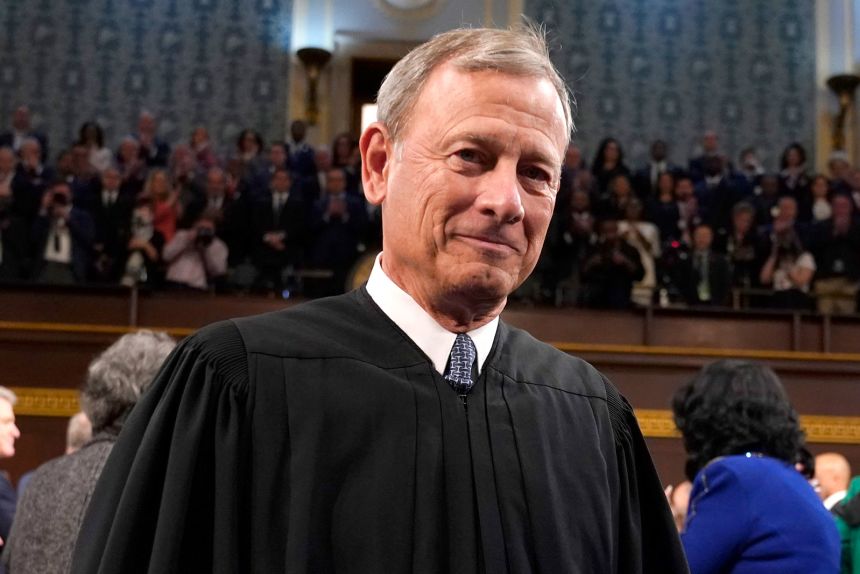
The Supreme Court’s decision Wednesday rolling back protections for Black and Latino voters marks another dramatic turn in the long-fought effort by conservative justices to reverse measures vital to overcoming America’s legacy of race discrimination.
The decision also marks a defining moment for the court under Chief Justice John Roberts, who declared soon after joining the bench in 2005, “the way to stop discrimination on the basis of race is to stop discriminating on the basis of race.”
Three years ago, the justices by the same 6-3 vote as Wednesday ended racial affirmative action in higher education admissions. The newest decision, which follows a series of rulings led by Roberts and Justice Samuel Alito restricting the reach of the 1965 Voting Rights Act, will reverberate deeper.
Taken as a whole, the pattern would mean fewer chances for minority voters to elect candidates of their choosing. That, in turn, would mean fewer opportunities for the voice of Blacks, Latinos, Native Americans and other minorities in government.
The gravity of such consequences and the entrenched divisions among the justices were clear as the opinion was announced from the courtroom bench.
Continue reading the complete article on the original source