In an April 15 press briefing, Fox’s Peter Doocy asked White House press secretary Karoline Leavitt an unexpected question. “There are now 10 American scientists who have either gone missing or died since mid-2024. They all reportedly had access to classified nuclear or aerospace material,” he said. “Is anybody investigating this to see if these things are connected?”
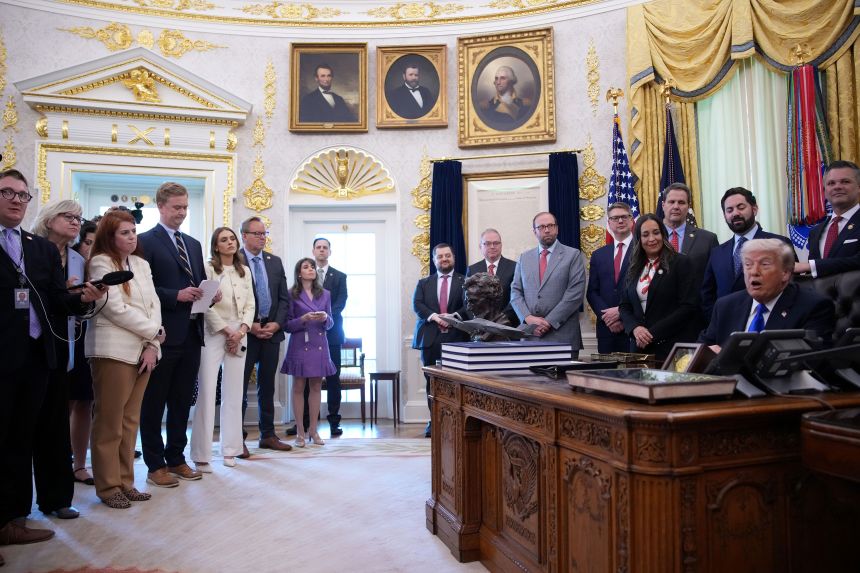
Leavitt told Doocy she would look into it; the next day, Doocy asked President Donald Trump about it in person, and Trump said he had “just left a meeting” on the subject. On April 17, Leavitt announced that the White House would launch an investigation.
On April 20, the House Oversight Committee announced that it was planning an investigation of its own. “If the reports are accurate, these deaths and disappearances may represent a grave threat to U.S. national security and to U.S. personnel with access to scientific secrets,” Republican lawmakers James Comer of Kentucky and Eric Burlison of Missouri wrote in a statement.
Behind all the high-level talk about getting to the bottom of a mystery, though, was a different puzzle: where did this story about a purported pattern of dead or missing scientists come from?
Doocy’s questions and the White House’s responses were the culmination of a four-month journey from the fringes of the internet to the center of the federal government — a journey that demonstrated how alternative media platforms and social media can swiftly and deeply penetrate contemporary politics.
Continue reading the complete article on the original source