It all started when a 9-year-old boy went with his parents to visit relatives in Seminole, Texas, early last year. After he returned home to Mexico, a red rash erupted on his skin. Within weeks, so many of his classmates fell ill that their school shut down.
Unbeknownst to the boy’s parents, measles had started to ricochet around Seminole during their visit.
The town would soon emerge as the epicenter of the biggest US outbreak in more than 30 years, one that would kill three Americans. But when the virus jumped the border to Mexico, a bigger tragedy was about to begin.
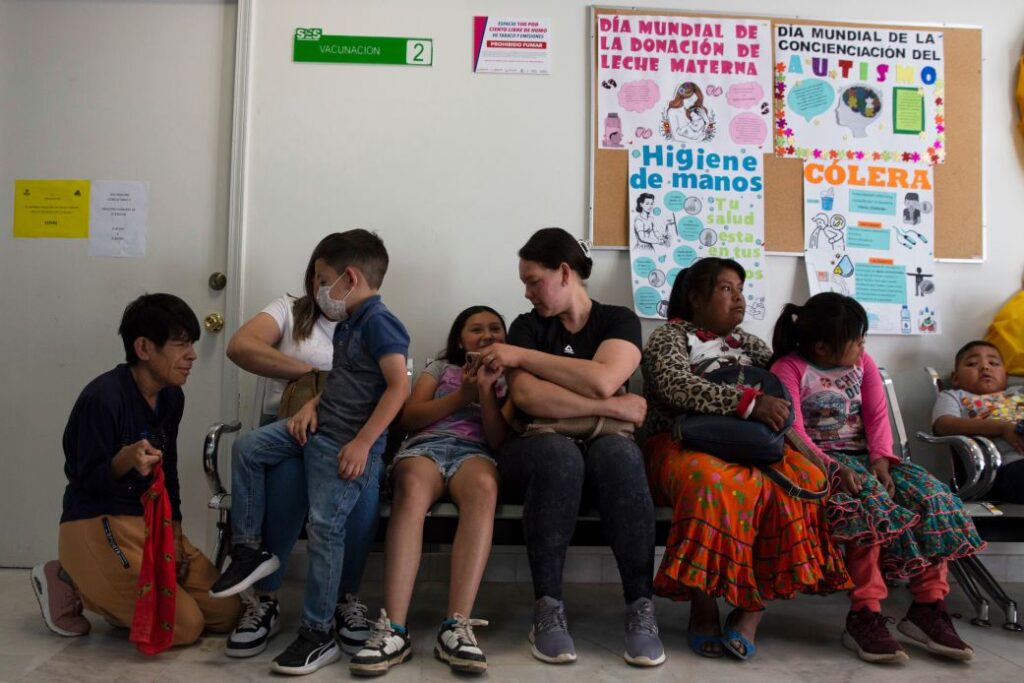
At least 40 Mexicans have died of measles complications since the start of 2025, ranging from babies to middle-age farmworkers, according to the Mexican Health Ministry. More than 17,000 infections have been confirmed in that period, four times the number in the United States. Measles is largely preventable with two shots of a common vaccine. But most of those with infections hadn’t gotten it.
Mexico’s ongoing measles outbreak offers a case study of what can happen when a country’s vaccine coverage slips. The disease was first identified in the 9-year-old’s neighborhood, in a secluded Mennonite community of apple, wheat and corn farms in Chihuahua state, south of Texas, authorities said. It spread to agricultural laborers, many of them from Indigenous communities.
Continue reading the complete article on the original source