Islamabad is a city on hold, gripped by the limelight of its own success, host to something potentially historic — but it remains unclear how distant that may be.
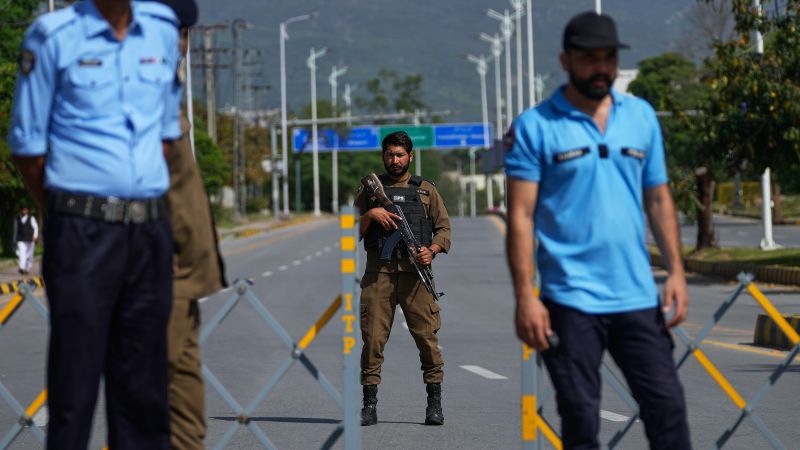
Five-star hotels in the Pakistani capital have been empty, awaiting diplomatic delegations for a next round of negotiations this week between Iran and the US. Bougie restaurants shuttered their kitchens, their usual well-heeled clientele unable to make it past army and police check posts strategically sprinkled at almost every major city intersection.
Then on Tuesday, US President Donald Trump said he would extend a ceasefire with Iran until it submits a proposal to end the conflict permanently – raising the possibility of an even longer wait.
All too often, Islamabad has hit headlines for all the wrong reasons. It was the target of a militant Islamist suicide bombing as recently February, with more than 60 people killed in an attack on a mosque.
Officials here saw the planned talks as an opportunity to perhaps reframe the country’s international image away from its tarnished legacy as a onetime sanctuary for the Taliban who attacked US troops in Afghanistan, and where the arch terrorist Osama Bin Laden hid for years.
Continue reading the complete article on the original source